How to Buy a Lake Home in Minnesota: Essentials Beyond the House
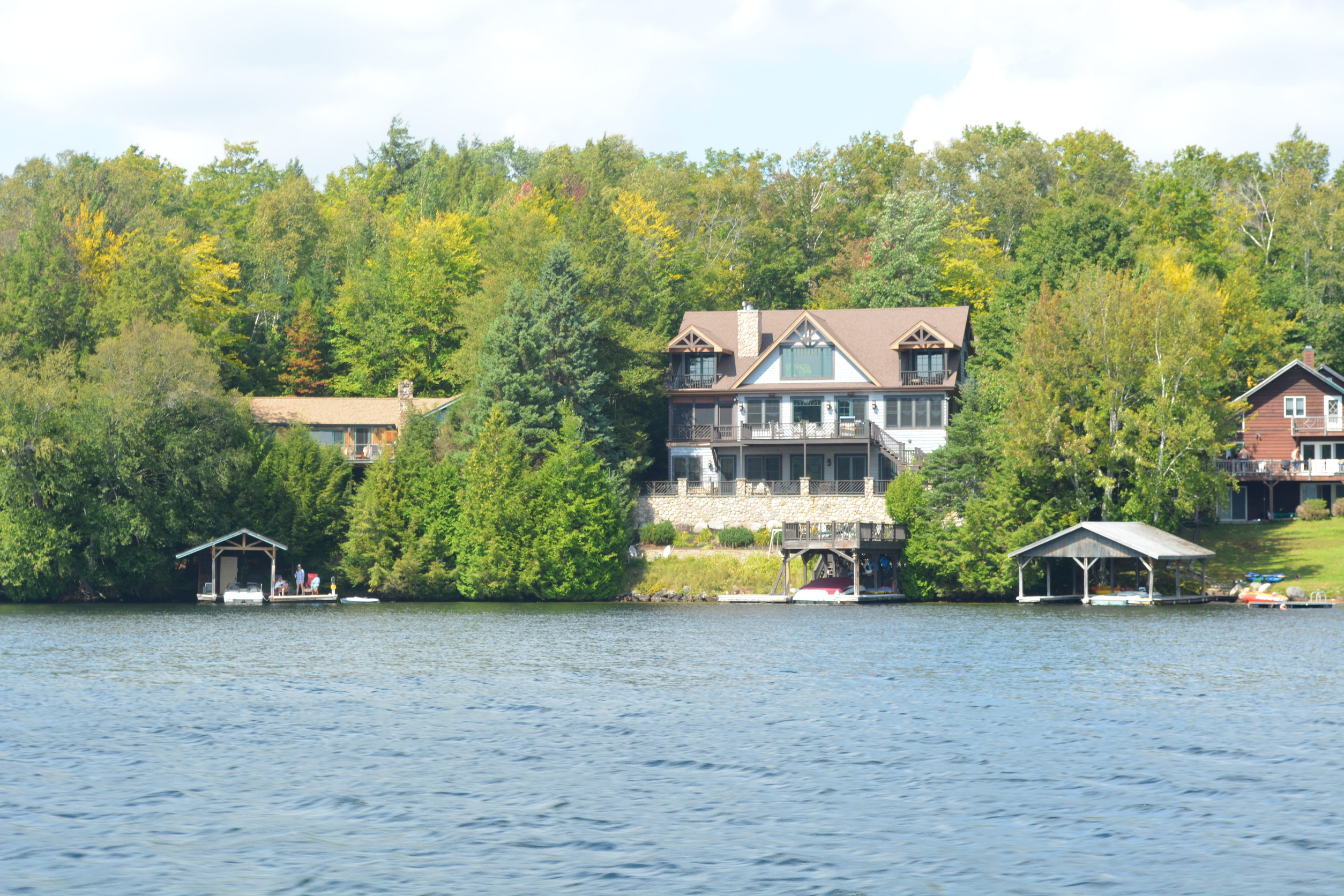
How to Buy a Lake Home in Minnesota: Essentials Beyond the House
There’s something special about owning a home on a Minnesota lake.
Morning coffee overlooking the water is part of the appeal.
Afternoons spent boating or fishing, and peaceful evenings watching the sunset, complete the picture.
For many buyers, buying a lake home means embracing a lifestyle they’ve dreamed of for years.
When it comes to buying a lake home in Minnesota, there’s more to consider.
The property matters, but location, maintenance, and access are also important.
Additionally, buying a lake home involves considerations that affect how you use, maintain, and enjoy your property.
Shoreline conditions, water depth, septic systems, property boundaries, and local regulations can influence whether a given property fits your plans.
The Brainerd Lakes Area offers an incredible variety of waterfront properties, from cozy seasonal cabins to spacious year-round residences. However, not every lake or lakeshore property offers the same experience.
Before falling in love with the view, it’s worth taking a closer look at everything that comes with owning a piece of Minnesota’s beautiful lakeshore.
1. Understand the Lake Before Buying the Property
One of the most important lake home buying tips is to research the lake itself.
Minnesota lakes vary significantly in size, depth, water clarity, recreational opportunities, and shoreline characteristics. A lake that’s perfect for fishing might not offer the same experience as one known for water skiing or swimming.
Lake Size, Depth, and Recreational Use
Think about how you envision spending time on the water.
If boating and water sports are priorities, consider the lake’s size, depth, and any boating restrictions. Smaller lakes may be ideal for kayaking, paddle-boarding, and peaceful fishing, while larger lakes generally provide more room for recreational boating.
Some questions worth asking include:
- Is the lake deep enough for your preferred type of boat?
- Are there shallow areas, rocks, or other boating hazards?
- Does the lake have public access, and how busy does it become?
- Are there restrictions on motorized watercraft or certain activities?
- What fish species are commonly found in the lake?
Popular destinations such as Gull Lake, North Long Lake, Pelican Lake, and the Whitefish Chain each offer different recreational experiences.
Understanding these differences helps ensure your waterfront property matches your expectations.
Water Quality and Clarity
Water quality is another essential consideration when evaluating Minnesota lake homes.
Look into historical water clarity, aquatic vegetation, algae concerns, and known invasive species. Water conditions can change throughout the year, so what you see during one showing may not represent the lake’s typical conditions.
The Minnesota Department of Natural Resources provides lake information, including depth maps and fisheries reports, that can help buyers make informed decisions.
2. Examine the Shoreline and Waterfront Access
A beautiful waterfront view doesn’t necessarily mean the property has an ideal shoreline.
When considering Brainerd Lakes lake property, pay close attention to how the land meets the water.
Shoreline Type and Usability
Minnesota lakeshore can range from sandy beaches to rocky banks, wetlands, or steep slopes.
Each shoreline type offers different advantages and challenges.
A gradual, sandy shoreline may be appealing to families who enjoy swimming. Rocky shorelines can offer beautiful scenery but may require water shoes or additional care when accessing the lake.
Steep shorelines might provide incredible elevated views while making it more difficult to reach the water.
Consider whether the shoreline accommodates your preferred activities, including swimming, launching kayaks, accessing a dock, or simply relaxing near the water.
Shoreline Erosion and Maintenance
Look for signs of erosion, exposed tree roots, deteriorating retaining walls, or areas where soil appears to be washing into the lake.
Shoreline restoration and stabilization projects can be costly, and Minnesota regulates many activities that alter shorelines or aquatic vegetation.
Before assuming you can add sand, remove plants, install retaining walls, or significantly modify the shoreline, verify applicable requirements with the county and Minnesota DNR.
3. Check the Septic System and Well
One of the biggest differences between traditional residential properties and many Minnesota lake homes involves wastewater treatment and water supply.
While some properties have municipal utilities, many lakeside homes rely on private septic systems and wells.
Septic System Condition and Compliance
A septic system is a major component of waterfront property Minnesota buyers should never overlook.
Before purchasing, determine the system’s age, maintenance history, capacity, and compliance status.
A septic inspection may be required during a property transfer, depending on local ordinances. Minnesota’s rules and local requirements also govern when systems must be repaired or replaced.
Important questions include:
- When was the septic system last inspected or pumped?
- Is there a current certificate of compliance?
- Is the system appropriately sized for the home’s intended use?
- Are there any known problems or required repairs?
- Is sufficient suitable space available if the system eventually needs replacement?
Replacing a septic system near a lake can be particularly challenging when lot sizes, soil conditions, or setbacks limit available options.
Private Well Considerations
If the property has a private well, review available well records and arrange appropriate water testing.
Water quality, well condition, and the ability to provide a reliable supply should all be evaluated.
A standard home inspection doesn’t necessarily include a detailed assessment of private well or septic systems, so specialized inspections may be worthwhile.
4. Review Property Boundaries and Lakeshore Regulations
When buying lake property Brainerd MN buyers should understand exactly what land and waterfront rights are included in the purchase.
Property boundaries aren’t always obvious, especially on older cabin properties where informal arrangements may have existed for generations.
Lot Lines and Waterfront Ownership
Verify property boundaries through available surveys, legal descriptions, and title information.
Don’t assume that a dock, pathway, driveway, or cleared area belongs to the property simply because the current owner uses it.
It’s also important to understand whether the property offers direct shoreline frontage, shared lake access, or access through an easement.
These arrangements can have very different implications for privacy, recreational use, and resale value.
Shoreland Zoning Restrictions
Minnesota has shoreland management standards that influence how waterfront properties can be developed.
Depending on the lake classification and local ordinances, regulations may affect building setbacks, lot coverage, septic placement, vegetation removal, and shoreline modifications.
If you’re considering adding a garage, expanding the house, building a deck, or making other improvements, verify what’s permitted before purchasing.
A property that appears to have plenty of room for expansion may face restrictions that aren’t immediately obvious.
5. Consider Sun Exposure, Privacy, and Lake Traffic
A property’s location on the lake can make a significant difference in your everyday experience.
Which Direction Does the Home Face?
Sun exposure influences everything from outdoor comfort to the views you’ll enjoy throughout the day.
West-facing properties often offer beautiful sunset views, while east-facing properties can provide memorable sunrises.
South-facing shorelines may receive more direct sunlight during much of the day.
There’s no universally better direction. The right choice depends on your personal preferences and how you plan to use your outdoor spaces.
Noise, Neighbors, and Recreational Activity
Some lakes are known for lively boating activity, while others offer a quieter atmosphere.
Consider visiting the property at different times, including weekends during peak summer months if possible.
A peaceful weekday showing may not reflect the activity level on a busy holiday weekend.
Also consider neighboring docks, public boat launches, nearby resorts, and shoreline visibility when evaluating privacy.
6. Evaluate Year-Round Accessibility and Seasonal Maintenance
For buyers planning to use their lake home throughout the year, accessibility and maintenance are especially important.
Winter Access and Road Conditions
Central Minnesota winters bring snow, ice, and freezing temperatures, making reliable winter access essential.
Determine whether the property is located on a publicly maintained road or a private road.
If access is private, investigate who handles snow removal, grading, and repairs, along with any associated fees or agreements.
Steep driveways and heavily wooded properties can also create additional winter maintenance considerations.
Seasonal Property Responsibilities
Lake homes often require maintenance beyond what you’d expect with a typical residential property.
Depending on the property, responsibilities may include dock installation and removal, shoreline upkeep, tree maintenance, boat storage, winterization, and maintaining seasonal plumbing systems.
Understanding these obligations helps buyers budget for the true cost of lake home ownership.
7. Look Beyond the Purchase Price
Purchasing Minnesota lake homes involves more than the mortgage payment and property taxes.
Before making an offer, consider additional ownership expenses such as:
- Homeowners insurance and possible flood insurance
- Dock and boat lift maintenance or replacement
- Septic pumping and eventual system replacement
- Private road or lake association fees
- Heating, utilities, and winter maintenance
- Shoreline maintenance and tree removal
Insurance costs and coverage can vary considerably depending on the property’s location, condition, and intended use.
If you plan to rent the property occasionally, investigate local short-term rental regulations, association restrictions, lender requirements, and insurance coverage before factoring potential rental income into your budget.
A realistic understanding of ongoing expenses can help prevent surprises after closing.
8. Think About Long-Term Enjoyment and Resale Value
Even if you plan to keep your lake home for decades, future resale potential deserves consideration.
Properties with desirable waterfront access, usable shorelines, reliable utilities, and convenient locations may appeal to a wider range of future buyers.
However, value depends on the complete property, not simply the number of feet of lakeshore.
Consider how easily the property could accommodate changing needs.
A steep staircase to the lake might be manageable today but less convenient later. A seasonal cabin may meet current needs, while a year-round residence could provide greater flexibility.
The best lake property is one that supports your lifestyle now while giving you options for the future.
Finding the Right Minnesota Lake Home Is About the Complete Property
There’s no denying the appeal of lake life in the Brainerd Lakes Area. From peaceful mornings on the dock to memorable weekends spent with family and friends, owning waterfront property can be an incredibly rewarding experience.
However, buying a lake home in Minnesota requires looking beyond the house, the landscaping, and the view.
The lake’s characteristics, shoreline conditions, septic system, property boundaries, local regulations, and ongoing maintenance needs all play important roles in your overall experience.
Taking the time to evaluate these details can help you identify potential challenges, better understand ownership costs, and choose a lake property you’ll enjoy for years to come.
The goal isn’t simply to find a beautiful home on the water. It’s to find a property that truly fits the way you want to live.
Questions About Buying Lake Property in the Brainerd Lakes Area?
Every lake and waterfront property has its own unique characteristics, and understanding those differences is an important part of making an informed purchase.
As a local real estate professional with Weichert Realtors – Tower Properties, Amanda Churchill provides personalized guidance to buyers and sellers throughout the Brainerd Lakes Area. Whether you’re considering your first lake home, searching for a year-round waterfront residence, or simply exploring your options, Amanda is happy to answer questions and share her knowledge of the local real estate market.
Contact Amanda Churchill
Amanda Up North Real Estate
Weichert Realtors – Tower Properties
Phone: 218-203-0586
Email: info@amandaupnorth.com